
When astronauts travel deeper into space, every drop of fuel becomes critical, and keeping those fuels stable for months or even years is one of the biggest engineering challenges facing future missions. Now, University of Florida researchers have uncovered a surprising behavior in boiling liquids that could help solve that challenge.
The findings, published July 8 in npj Microgravity, establish an important foundation for designing next-generation spacecraft systems that depend on cryogenic liquid — the ultracold liquids used both as rocket propellants and as coolants for onboard electronics.
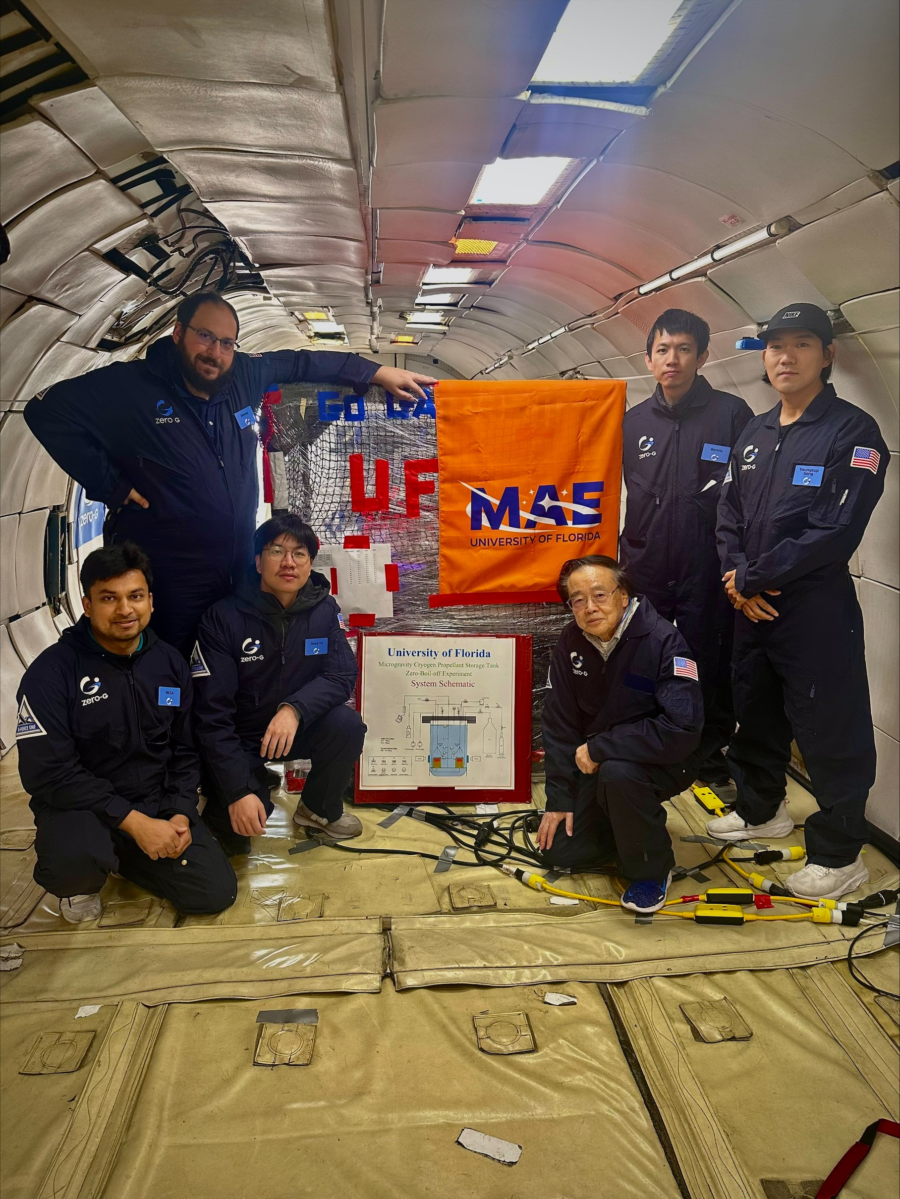
The research was led by Youngsup Song, Ph.D., assistant professor in the mechanical and aerospace engineering department and a member of the Astraeus Space Institute, whose team investigated how liquid nitrogen behaves under reduced-gravity conditions. The work challenges long-standing assumptions about boiling in space and provides new insight into how engineers can better manage cryogenic fluids for future exploration.